

Course Overview
The Early Childhood Care and Education (ECCE) Programme is offered at two levels: Certificate (Level 3) and Diploma (Level 4).
The Certificate Programme focuses on building a strong foundation in both theoretical knowledge and practical skills, covering areas such as learning activity management, child safety, nutrition, and effective communication with children and the wider community.
The Diploma Programme expands on these foundations with an emphasis on supervision and leadership. Graduates are trained to plan, implement, and oversee learning activities, supervise other educators, and ensure the quality of educational environments while safeguarding the well-being of children.
Both programme levels combine classroom learning with practical training to develop knowledgeable, skilled, and professional educators who are capable of supporting the holistic development of children and contributing to the growth of future generations.
Programme Objectives
- To develop knowledgeable and skilled educators in the field of Early Childhood Care and Education (ECCE).
- To equip students with the ability to plan creative, engaging, and meaningful learning activities for young children.
- To foster caring, patient, and professional attitudes in working with children.
- To create safe, supportive, and conducive learning environments that promote children’s growth and development.
- To contribute to the development of society and the nation by nurturing well-rounded and capable future generations.
Vision
To be a leading education program that nurtures competent, caring, and values-driven educators who inspire and support the development of future generations.
Mission
- To provide quality education and training in the field of Early Childhood Education.
- To develop knowledgeable, skilled, and ethical educators who are committed to nurturing young learners.
- To integrate theoretical knowledge with practical experience to enhance teaching effectiveness and classroom readiness.
- To promote lifelong learning and continuous professional development among educators.
- To foster strong partnerships with communities and industry stakeholders to strengthen and advance early childhood education.
Certificate (Level 3)
Focuses on fundamental theoretical knowledge, practical skills, child safety, nutrition, and effective communication in the care and education of young children.
Diploma (Level 4)
Emphasises supervision, leadership, learning activity planning, and quality assessment to ensure the continuous development, well-being, and welfare of children.
Programme Highlights
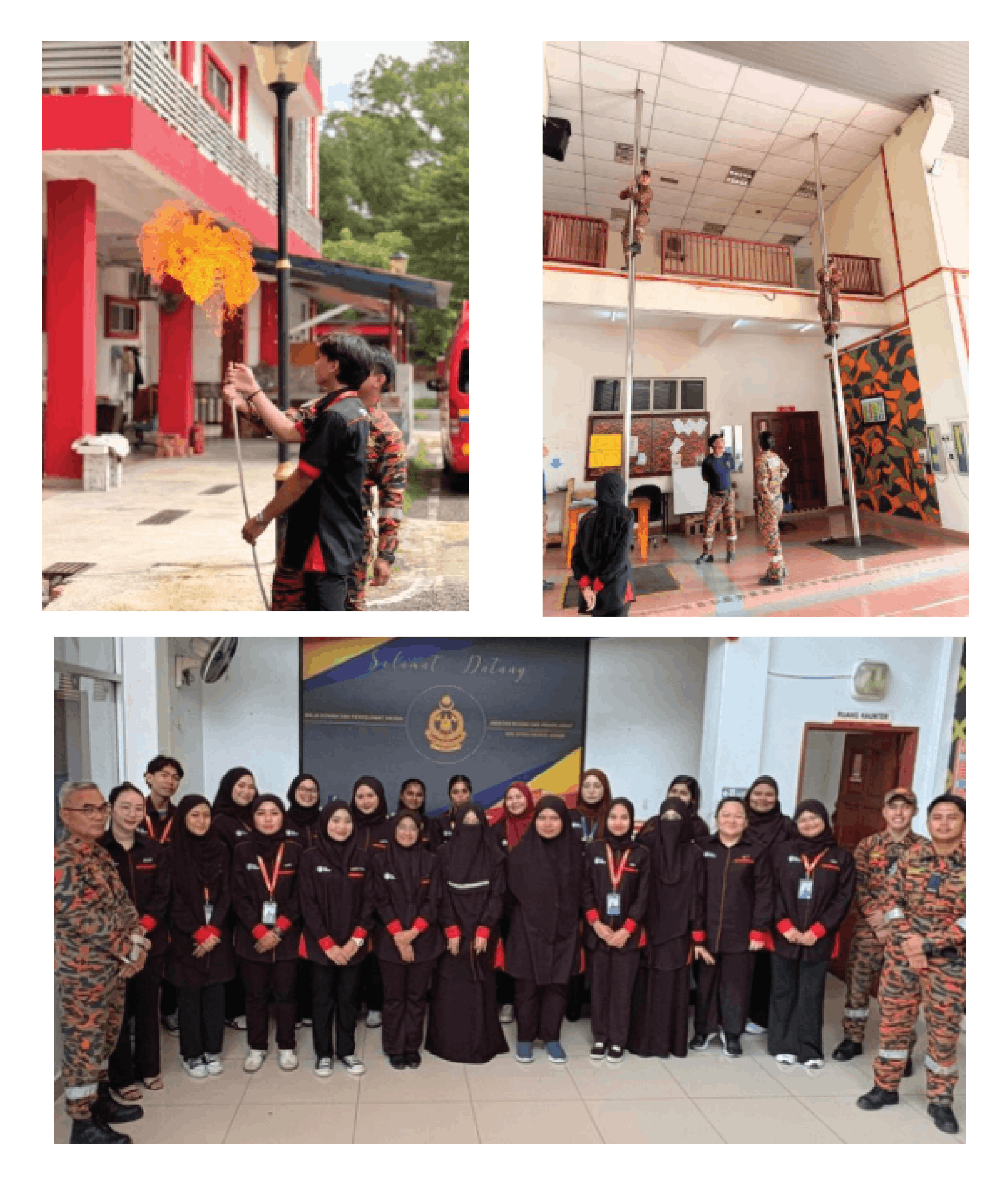
COMMUNITY HEROES: LEARNING FIRE SAFETY WITH THE PROFESSIONAL
Visits to the Fire and Rescue Department provide students with valuable exposure to safety awareness, the role of firefighters, and the importance of courage and discipline through meaningful community-based learning experiences.
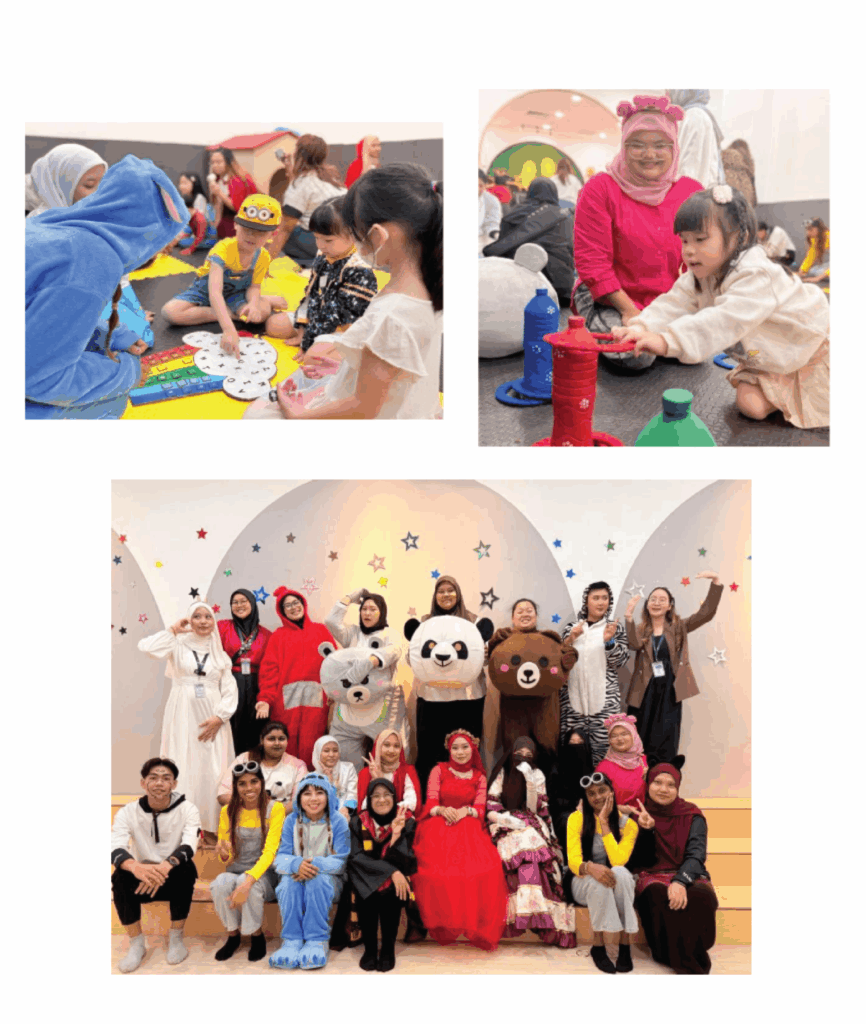
CHILDREN'S DAY UNIVERSAL KINDERGARTEN X KOLEJ AMBITIOUS
The Children’s Day Programme, organised by Universal Kindergarten in collaboration with Kolej Ambitious, provides a fun and engaging learning experience through creative and interactive activities that support children’s social, emotional, and cognitive development.
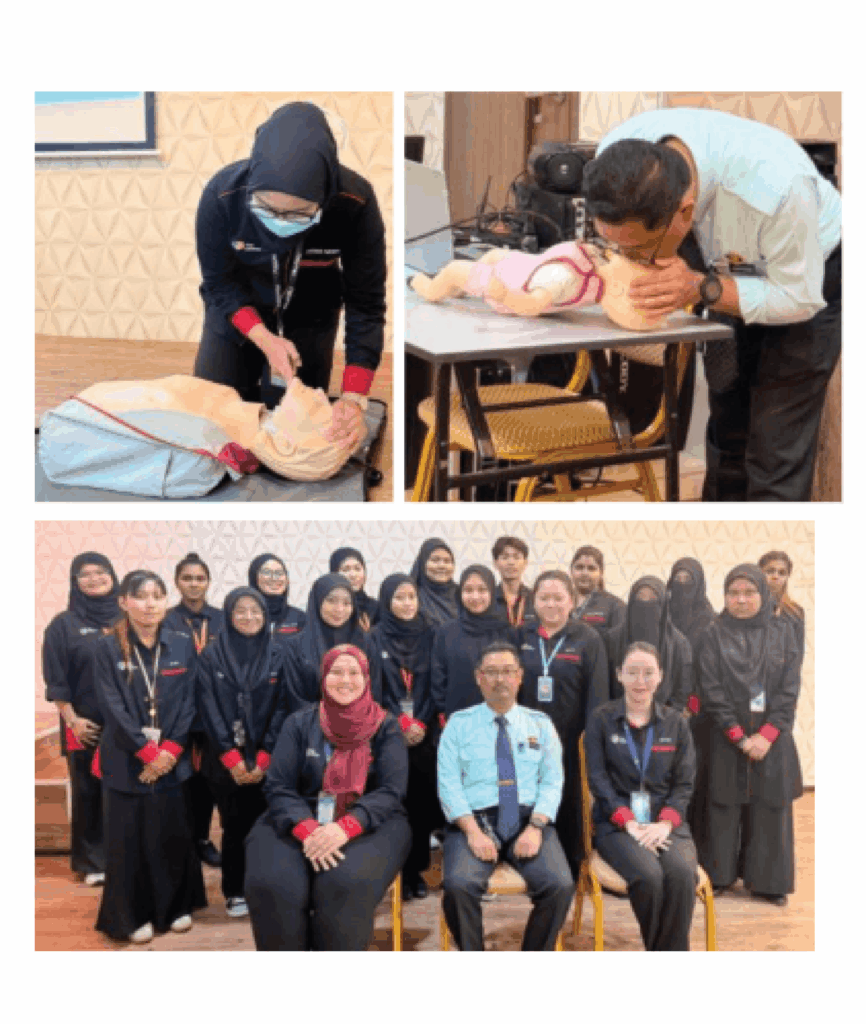
CPR AND WOUND DRESSING BRIEFING PROGRAMME
The CPR and Wound Dressing Briefing Programme introduces students to essential first aid skills, including CPR techniques and wound dressing procedures. The programme aims to enhance safety awareness and equip participants with the ability to respond effectively in emergency situations.
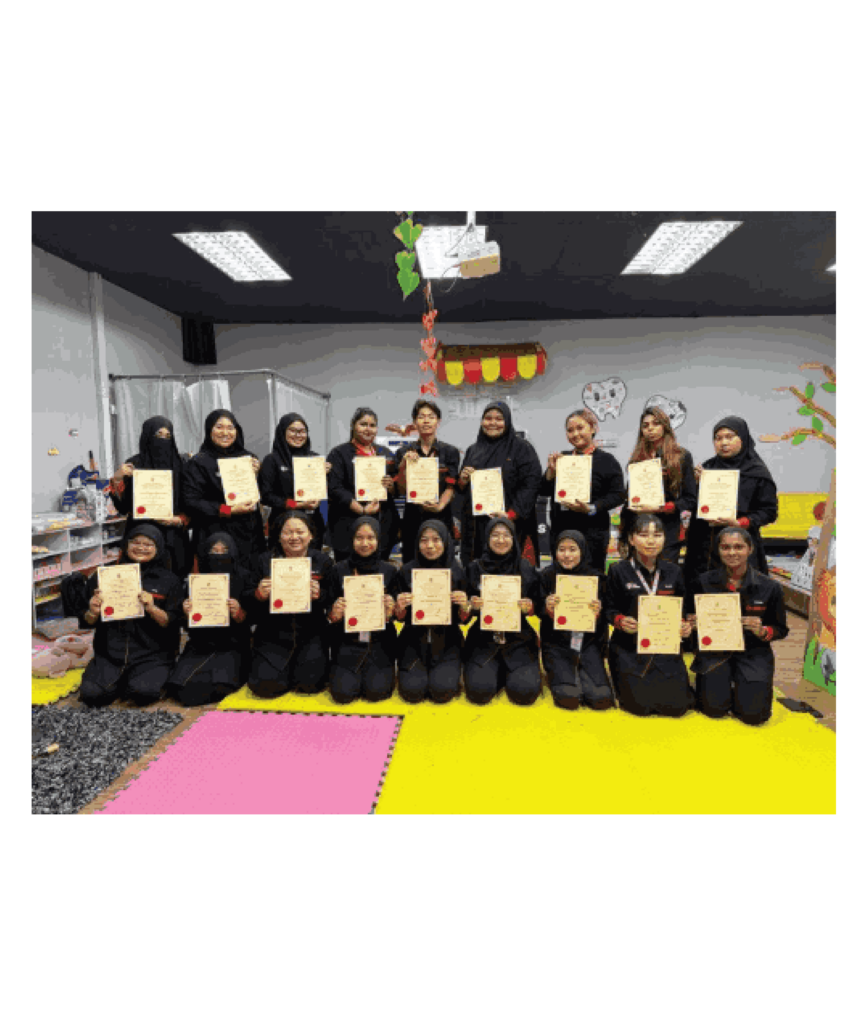
FOOD HANDLING COURSE
The Food Handling Course provides participants with knowledge of safe, hygienic, and quality food handling practices. It aims to promote food safety standards and help ensure the health and well-being of consumers.
Programme Learning Outcomes (PLO)
| No. | Learning Outcome Cluster | PLO Statement |
|---|---|---|
| 1 | Knowledge and Understanding | Apply fundamental knowledge and principles of early childhood development, daily care routines, health, nutrition, and social values in accordance with Early Childhood Care and Development (ECCD) standards. |
| 2 | Cognitive Skills | Apply critical thinking skills to plan, monitor, and evaluate educational programs, developmental activities, and parent and community engagement initiatives within ECCD centres. |
| 3 | Practical Skills | Perform daily care procedures, first aid practices, social value development activities, and childcare centre operational support efficiently and in compliance with established standard operating procedures (SOPs). |
| 4 | Interpersonal Skills | Demonstrate effective communication and teamwork skills in supervising staff, coordinating welfare activities, and building professional relationships with parents and the community. |
| 5 | Ethics and Professionalism | Exhibit professionalism, strong work ethics, and accountability in ensuring the safety, cleanliness, and well-being of children within early childhood care environments. |
| 6 | Management and Supervisory Skills | Supervise daily care routines, developmental program implementation, ECCD centre operations, and the welfare of both staff and children in a systematic and effective manner. |
| 7 | Project and Industry Practice Skills | Complete a final project related to ECCD and apply Level 3 and Level 4 competencies during industrial training based on real-world childcare centre practices. |
Programme Study Plan
| Level | Learning Components |
|---|---|
| SKM Level 3 | Core Abilities Level 3, TVET Modules Level 3, and Level 3 Core Competency Units, including: Daily Routine Care for Early Childhood, Early Childhood Education and Development, Social Values and Behaviour Development for Young Children, Early Childhood Care Centre Operational Support, and First Aid Management. |
| SKM Level 4 | Core Abilities Level 4, TVET Modules Level 4, and Level 4 Core Competency Units, including: Monitoring and Control of ECCD Health & Nutrition, Planning and Implementation of ECCD Parent and Community Programmes, ECCD Centre Operations Administration, Planning and Supervision of Daily ECCD Care Routines, Supervision of ECCD Development Programmes, Staff Supervision and Welfare Coordination, and a Final Project. |
| Industrial Training | Four months of industrial training, providing students with industry exposure and hands-on experience in a real early childhood care centre environment. Assessment includes a final project presentation, Level 3 & Level 4 portfolio review, as well as Level 3 & Level 4 theoretical and practical examinations. |
Career Path
- Early childhood educator
- Childcare assistant (nursery caregiver)
- Early childhood education centre supervisor
- TASKA / TADIKA entrepreneur